
Play Therapy
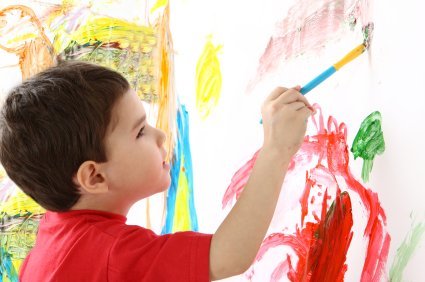
Play Therapy can help a child to:
- Develop a more positive sense of self and self-esteem
- Develop respect and acceptance of themselves and others
- Develop more trust
- Develop new and creative solutions to problems
- Learn to experience and express feelings (rather than act in or act out)
- Be empathic with respect to the thoughts and feelings of others
- Learn new social skills
- Take responsibility for their behaviour
Research supports the effectiveness of Play Therapy with children experiencing a wide variety of social, emotional, mental, behavioural and learning problems, including:
- Abuse (physical, emotional, sexual)
- Adjustment difficulties and adapting to new situations
- Aggression (or acting-out behaviour)
- Anxiety
- Attachment difficulties
- Attention Deficit (with or without Hyperactivity) Disorder
- Bereavement (grief or loss of a parent, sibling, significant other, pets)
- Bipolar Disorder in childhood
- Bullying (the bullied and the bully)
- Chronic illness (of the child or significant others)
- Conduct Disorder
- Defiance
- Disruptive behaviours (not listening, lying, impulsivity, tantrums, power struggles)
- Divorce or separation
- Depression (sadness, hopelessness, loss of interest in pleasurable activities)
- Elimination disorders, e.g. bedwetting, soiling, refusal to pass stools
- Grief
- Learning difficulties
- Oppositional Defiant Disorder
- Pervasive Developmental Disorders (Asperger's, Autism)
- Relocation
- Self-esteem and self-concept
- Sibling rivalry
- Sleep difficulties (e.g. nightmares, insomnia)
- Social adjustment difficulties (inappropriateness or withdrawal; struggling to make friends)
- Somatic complaints without a medical cause
- Stress
- Shyness
- Traumatic events (victims of crime, hospitalisation, accidents)
Please contact us to schedule an appointment with our certified Play Therapists.